Learn Korean with topics and stories
Free word lists by topic, plus news & trends from Korea — 10,890 words, levels 1–6.
Start with a topic
The lists people search for most — every word with romanization, a meaning in your language, and lessons that use it.
- 하나 hana one (native)
- 일 il one (Sino)
- 열 yeol ten (native)
- 월요일 woryoil Monday
- 화요일 hwayoil Tuesday
- 일요일 iryoil Sunday
- 안녕하세요 annyeonghaseyo hello (polite)
- 감사합니다 gamsahamnida thank you (formal)
- 안녕히 가세요 annyeonghi gaseyo goodbye (to one leaving)
- 빨간색 ppalgan-saek red
- 파란색 paran-saek blue
- 노란색 noran-saek yellow
- 김치 gimchi kimchi
- 비빔밥 bibimbap bibimbap (mixed rice)
- 불고기 bulgogi bulgogi (marinated beef)
- 최애 choeae bias (most-loved member)
- 입덕 ipdeok getting into a fandom
- 직캠 jikkaem fancam (single-member)
News & Trends
Real Korean, from what people are talking about now.
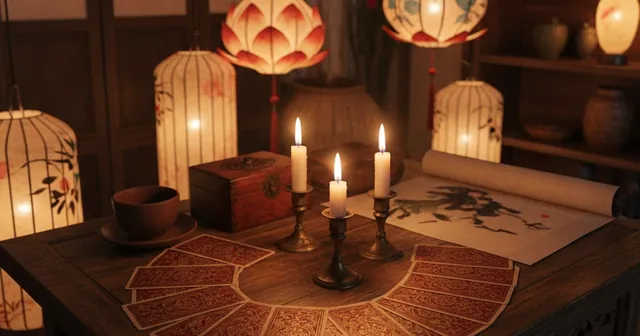
Korean Fortune Telling: 사주, 타로, and Korea's Fortune-Telling Cafés
사주 (sa-ju) reads your fate from your birth date and time, while 타로 (ta-ro) reads the cards you draw — and in Korea you can get either one over a coffee. Here's how a 사주카페 visit works, plus the vocabulary and phrases you need inside.

Korean MBTI Culture: Why MBTI가 뭐예요? Is Korea's Favourite Ice-Breaker
In Korea, MBTI가 뭐예요? (what's your MBTI?) has become the standard opening question with someone new, largely replacing the older 혈액형 (blood type) small talk. Here's how the conversation actually goes, and the personality vocabulary that comes with it.

K-pop Fandom Terms Explained: 입덕, 성덕, 덕질 and What Fans Really Mean
Most K-pop fandom terms are real Korean words with real grammar behind them. 입덕 (ip-deok) is the moment you fall into a fandom, 성덕 (seong-deok) is the fan who made it — here's the vocabulary fans use every day, and what each word actually says.
Follow the course
161 core lessons, levels 1–6
Browse the full database
10,890 words · 7 categories · levels 1–6 · 2,050 with illustrations
By level
By category